Why TikTok Is Obsessed With Brown Noise for Sleep

8 min read
The Viral Rise of Brown Noise on TikTok
Scroll through TikTok at 2 AM and you'll notice something strange: millions of people are falling asleep to what sounds like a distant thunderstorm mixed with a running shower. Brown noise has exploded across the platform, racking up billions of views and converting skeptics into devoted fans who swear they can't sleep without it anymore. The obsession with brown noise for sleep isn't just another fleeting trend. It represents a genuine shift in how people approach rest, particularly those who've struggled with racing thoughts and environmental disruptions for years.
What started as a niche audio experiment has become a cultural phenomenon. Creators post their "brown noise sleep setups," users share before-and-after stories about their sleep quality, and comment sections overflow with testimonials from people who finally found something that works. The appeal cuts across demographics, but it's particularly resonated with younger users who grew up with constant digital stimulation and now find themselves unable to quiet their minds at night. If you're new to noise colors for sleep, it's worth understanding how brown noise sits relative to the alternatives — our comparison of white, pink, and brown noise gives you the full picture.
The #BrownNoise Trend and Soundscape Aesthetics
The hashtag #BrownNoise has accumulated over 800 million views on TikTok, with videos ranging from simple audio loops to elaborate "sleep with me" content featuring rain on windows, crackling fires, and layered ambient textures. Creators have turned brown noise into an aesthetic experience, pairing the audio with cozy visuals that tap into the broader "comfort content" movement.
Part of the appeal is the shareable nature of discovery. Users love posting reaction videos showing their genuine surprise at how different brown noise sounds compared to white noise. The "wait, THIS is what I've been missing?" format has driven countless duets and stitches, spreading awareness organically through the algorithm.
Relatability and Community Around Sleep Struggles
TikTok thrives on shared experiences, and sleep problems are nearly universal. The platform has created a space where admitting you can't fall asleep without help feels normal rather than shameful. Comments sections become support groups, with users exchanging tips and celebrating small victories.
This community aspect has transformed brown noise from a simple audio tool into a shared ritual. People feel less alone in their struggles, and that emotional connection keeps them coming back to the content and recommending it to friends.
Understanding the Science of the Brown Frequency
Brown noise gets its name from Robert Brown, the botanist who discovered Brownian motion, not from the color. The sound is characterized by its emphasis on lower frequencies, creating a deep, rumbling quality that many people find more soothing than its higher-pitched cousins.
How Brown Noise Differs From White and Pink Noise
White noise contains all frequencies at equal intensity, resulting in that static-like hiss you hear from a television with no signal. Pink noise reduces higher frequencies slightly, producing something closer to steady rainfall. Brown noise takes this further, dramatically decreasing power at higher frequencies and concentrating energy in the bass range.
Think of it this way: white noise is a crowded restaurant, pink noise is gentle rain, and brown noise is standing near a waterfall or inside a running airplane cabin. Each serves a purpose, but brown noise's deeper quality tends to feel less harsh on the ears during extended listening sessions.
The Low-Frequency Appeal of Deep Bass Tones
Human ears are naturally more sensitive to mid-range frequencies, which means the rumbling bass of brown noise often feels less intrusive than higher-pitched alternatives. This allows the sound to mask disruptions without demanding attention itself.
The low frequencies also create a physical sensation that some listeners describe as being "wrapped" in sound. This enveloping quality may explain why brown noise feels more comforting than clinical to many users, almost like being surrounded by a protective barrier against the outside world.
Why the ADHD Community Is Leading the Conversation
Scroll through brown noise content and you'll notice a pattern: many of the most passionate advocates identify as having ADHD. This community has embraced brown noise with particular enthusiasm, sharing detailed explanations of why it works for their specific neurological needs.
Quieting the 'Internal Monologue' and Racing Thoughts
People with ADHD often describe their minds as having "too many browser tabs open." The constant internal chatter can make falling asleep feel impossible, as one thought triggers another in an endless cascade. Brown noise provides a consistent external stimulus that occupies just enough mental bandwidth to quiet this internal noise.
The effect isn't about distraction but about giving the brain something neutral to process. Instead of latching onto worries or random memories, the mind can rest on the steady, predictable input of the brown noise signal.
Executive Dysfunction and the Search for Focus
Beyond sleep, ADHD creators have documented using brown noise during work sessions, studying, and creative tasks. The same properties that help with sleep, namely consistent stimulation without demanding attention, can support focus during waking hours.
This dual-purpose utility has made brown noise a lifestyle tool for many in the ADHD community. They're not just recommending it for bedtime; they're integrating it throughout their daily routines and sharing those experiences openly on TikTok.
The Physiological Benefits for Sleep and Relaxation
The appeal of brown noise isn't purely psychological. Research on sound and sleep suggests several mechanisms through which consistent audio can improve rest quality and help people fall asleep faster.
Sound Masking and the Prevention of Sleep Disruptions
Your brain continues processing sounds while you sleep, which is why a car alarm or slamming door can jolt you awake. Brown noise works by raising the baseline ambient sound level, making sudden noises less jarring by comparison. That dog barking outside becomes less disruptive when it has to compete with a wall of low-frequency sound.
This masking effect is particularly valuable for urban dwellers, light sleepers, and anyone sharing walls with noisy neighbors. The brown noise doesn't eliminate disturbances but reduces their relative impact on your sleeping brain.
Activating the Parasympathetic Nervous System
Some researchers theorize that consistent, low-frequency sounds may help trigger the body's relaxation response. The parasympathetic nervous system, responsible for "rest and digest" functions, appears to respond positively to predictable, non-threatening environmental sounds.
While more research is needed to confirm these mechanisms, anecdotal reports consistently describe physical relaxation effects: slower breathing, reduced muscle tension, and a general sense of calm that precedes sleep. Whether this is direct physiological response or placebo effect matters less than the practical outcome for most users. For those interested in a noise color with stronger peer-reviewed backing, recent pink noise research from Penn Medicine is worth reading alongside this.
Practical Ways to Integrate Brown Noise Into Your Routine
Ready to try it yourself? The good news is that brown noise is freely available and easy to experiment with. The key is finding the right delivery method and volume for your specific needs.
Best Apps, Machines, and TikTok Creators for High-Quality Audio
Dedicated apps like Endel, myNoise, and Dark Noise offer customizable brown noise with options to adjust frequency emphasis. Spotify and YouTube have countless free options, though quality varies significantly. For the best experience, look for "pure" brown noise without added music or nature sounds.
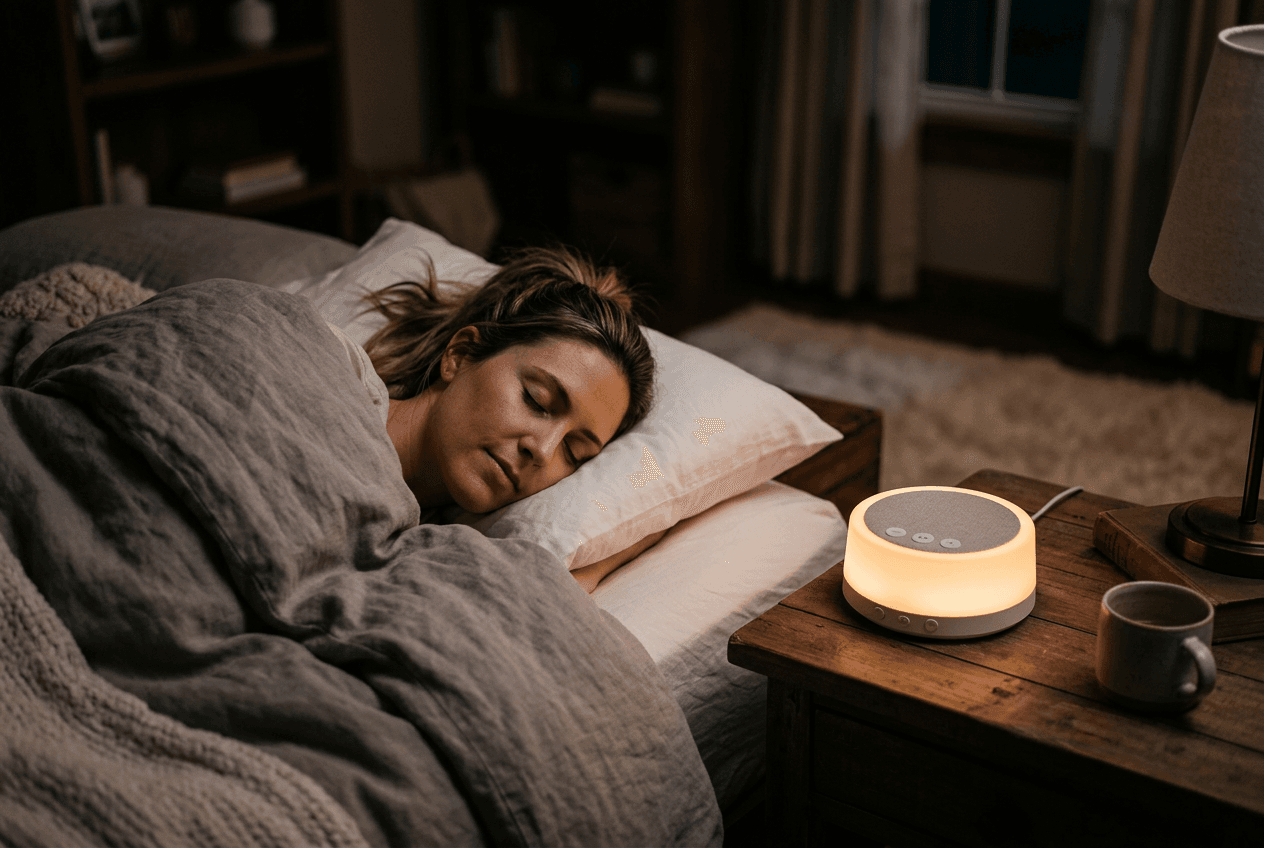
Hardware options include white noise machines from brands like LectroFan and Yogasleep, many of which include brown noise settings. Some users prefer these dedicated devices because they eliminate the temptation to check phones and don't require WiFi connectivity.
TikTok creators worth following include @brownnoiseworld, @sleepsoundsofficial, and various ADHD-focused accounts that regularly post audio content and usage tips.
Safety Considerations for Decibel Levels and Ear Health
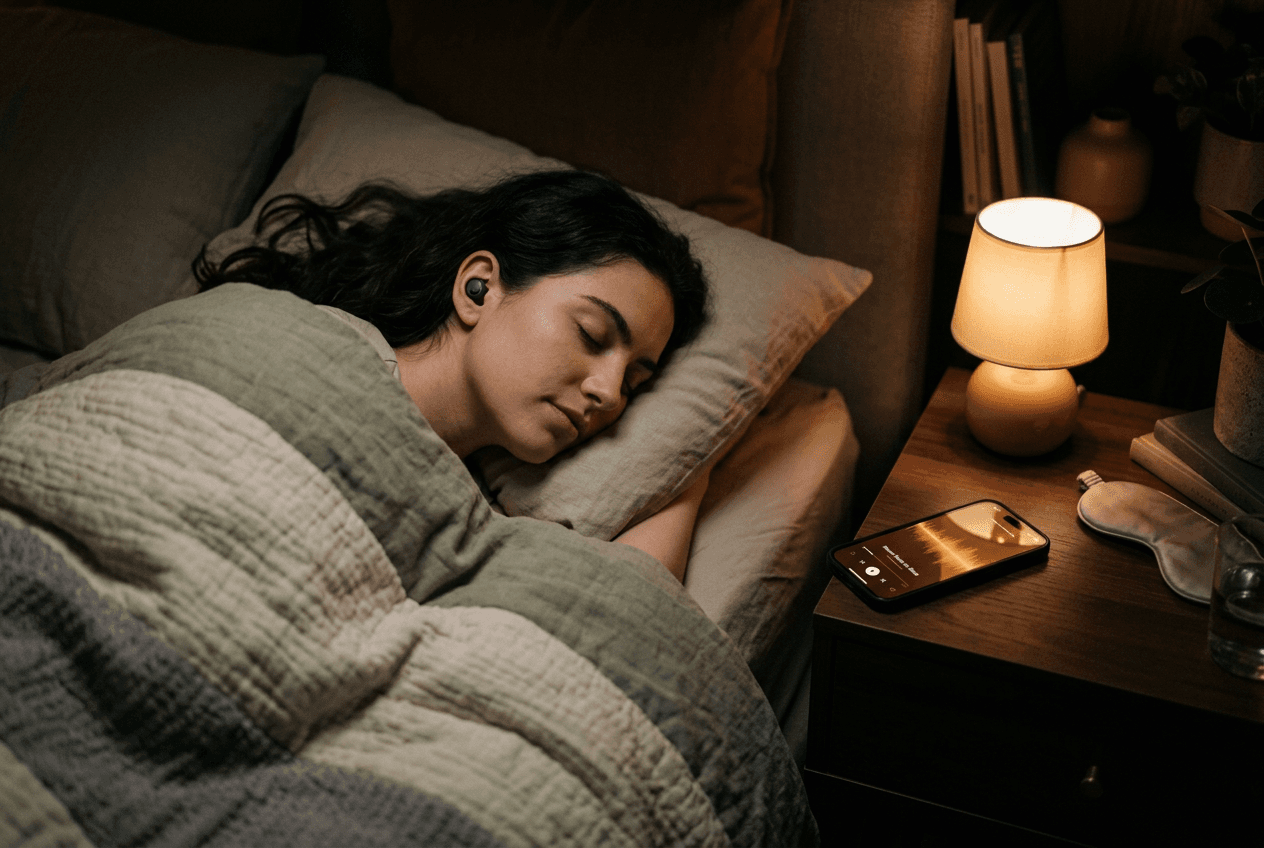
Volume matters more than you might think. Playing brown noise too loudly, especially through headphones, can damage hearing over time. The WHO estimates that over a billion young people are at risk of hearing damage from unsafe listening practices. Experts recommend keeping overnight audio below 60 decibels, roughly the level of normal conversation.
Consider using speakers instead of earbuds for extended listening. If you must use headphones, invest in comfortable over-ear options and set volume limits on your device. The goal is gentle background sound, not immersive audio experience.
Beyond the Hype: The Future of Auditory Sleep Aids
The brown noise phenomenon reflects a broader cultural shift toward taking sleep seriously. People are willing to experiment, share their findings, and build communities around something as simple as sound. That openness has accelerated discovery and adoption in ways that traditional sleep medicine never could.
Whether brown noise works for you specifically depends on factors including your hearing sensitivity, sleep environment, and personal preferences. Some people find it transformative; others prefer pink noise or silence. The real value of the TikTok obsession isn't that brown noise is universally perfect but that it's encouraged millions of people to actively experiment with their sleep rather than accepting poor rest as inevitable.
Try it tonight. Start with a low volume, give yourself a week to adjust, and pay attention to how you feel in the mornings. The worst outcome is discovering it's not for you. The best outcome is joining the ranks of converts who wonder how they ever slept without it.