The Mozart Effect for Babies: Fact vs. Fiction

7 min read
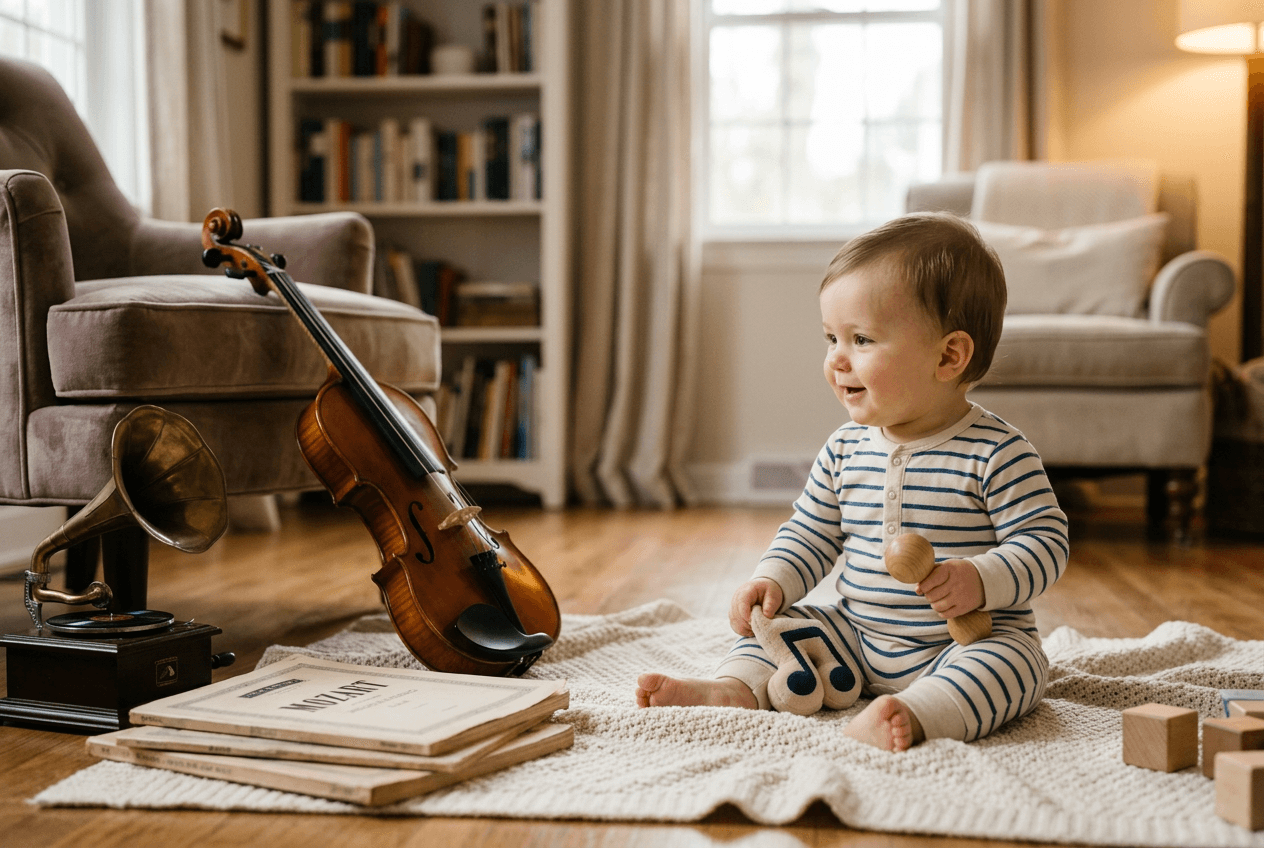
The year was 1998, and parents across America were frantically purchasing Mozart CDs for their newborns. Georgia's governor even proposed giving every baby born in the state a free classical music album. The promise was irresistible: play Mozart to your infant, and watch their IQ soar. But here's the thing about promises that sound too good to be true. The Mozart effect for babies became one of parenting's most persistent myths, blending genuine science with wishful thinking and aggressive marketing. What does music actually do for infant brains? The answer is more nuanced than any CD box ever claimed, and in some ways, more interesting.
The Origins of the Mozart Effect Phenomenon
The entire phenomenon traces back to a single study that never actually involved babies. Understanding this origin story reveals how scientific findings can transform into something entirely different when filtered through media and commercial interests.
The 1993 Rauscher Study and Its Findings
Psychologist Frances Rauscher and her colleagues at UC Irvine published research in Nature showing that college students who listened to Mozart's Sonata for Two Pianos in D Major performed better on spatial reasoning tasks immediately afterward. The effect lasted approximately 10-15 minutes. That's it. Adults, not babies. Spatial reasoning, not general intelligence. Temporary, not permanent. The researchers themselves never claimed this applied to infants or suggested it would boost IQ.
Media Sensationalism and the IQ Myth
What happened next demonstrates how scientific nuance evaporates in headlines. News outlets ran stories suggesting Mozart could make children smarter. Book publishers and music companies saw opportunity. Within years, "Baby Mozart" products flooded the market, and the original study's modest findings had morphed into claims that classical music could permanently enhance infant intelligence. The researchers watched helplessly as their work was distorted beyond recognition.
Scientific Realities of Music and Brain Development
Separating what research actually shows from what we wish it showed requires examining the evidence honestly. The brain science here is genuinely fascinating, even without the inflated IQ claims.
Short-term Spatial Reasoning vs. Long-term Intelligence
Multiple research teams attempted to replicate the original Mozart effect. Results were mixed at best. A 1999 meta-analysis found that any cognitive boost was small and short-lived. More importantly, spatial reasoning represents just one narrow cognitive ability. Intelligence encompasses memory, problem-solving, verbal skills, emotional understanding, and dozens of other capacities. Improving temporarily on one task doesn't translate to becoming "smarter" in any meaningful sense. The leap from "slightly better at mental rotation for 15 minutes" to "higher IQ" was never scientifically justified.
The Role of Auditory Stimulation in Infancy
Infant brains do develop rapidly during the first years of life, and auditory input matters. Babies learn to distinguish speech sounds, recognize voices, and process rhythm and melody. Their auditory cortex forms connections based on environmental sounds. However, this development happens through normal exposure to voices, music, and everyday sounds. There's no evidence that Mozart specifically, or classical music generally, provides superior stimulation compared to other rich auditory environments.
Debunking Popular Myths About Baby Brain Power
Several stubborn myths continue circulating among parents despite lacking scientific support. Addressing these directly helps separate fact from fiction regarding the Mozart effect for babies and similar claims about infant cognition.
Does Classical Music Increase Infant IQ?
No controlled study has demonstrated that passive exposure to classical music raises infant IQ scores. The American Academy of Pediatrics has never endorsed this practice as an intelligence-boosting strategy. When researchers have examined children who were exposed to substantial classical music as infants, they find no measurable IQ differences compared to children who weren't. The complexity of Mozart's compositions doesn't transfer into complex thinking in babies. Music appreciation and cognitive enhancement are entirely different phenomena.
The 'Baby Einstein' Marketing Influence
The Baby Einstein video series launched in 1997, perfectly timed to capitalize on Mozart effect hype. Parents purchased millions of copies believing screen time featuring classical music would give their children academic advantages. In 2007, a University of Washington study found that babies who watched these videos actually had smaller vocabularies than non-viewers. Disney, which had acquired the brand, eventually offered refunds to parents. The episode illustrates how marketing can exploit parental anxiety about giving children every possible advantage.
Proven Benefits of Music for Infants
Dismissing the Mozart myth doesn't mean dismissing music's genuine value for babies. Research supports several real benefits, though they differ significantly from IQ enhancement.
Emotional Regulation and Soothing Effects
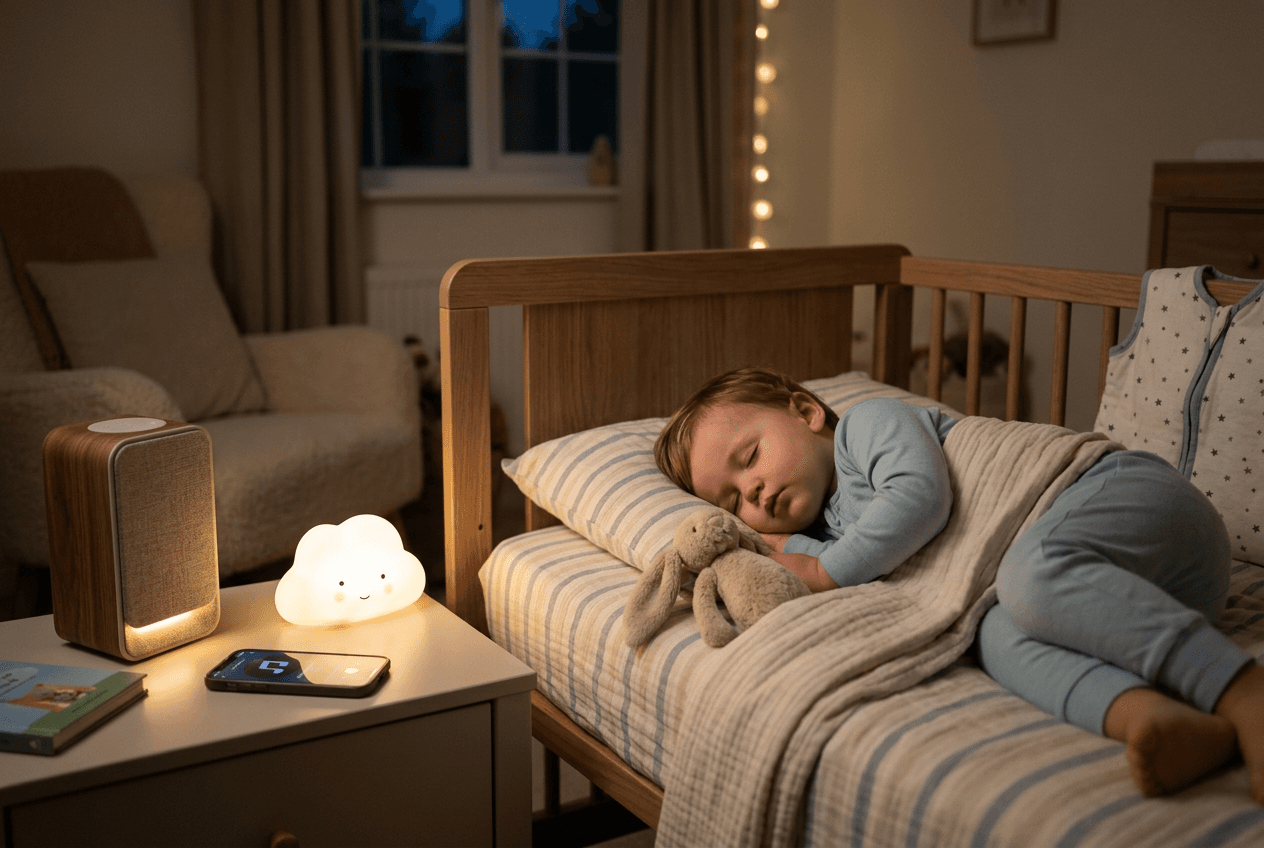
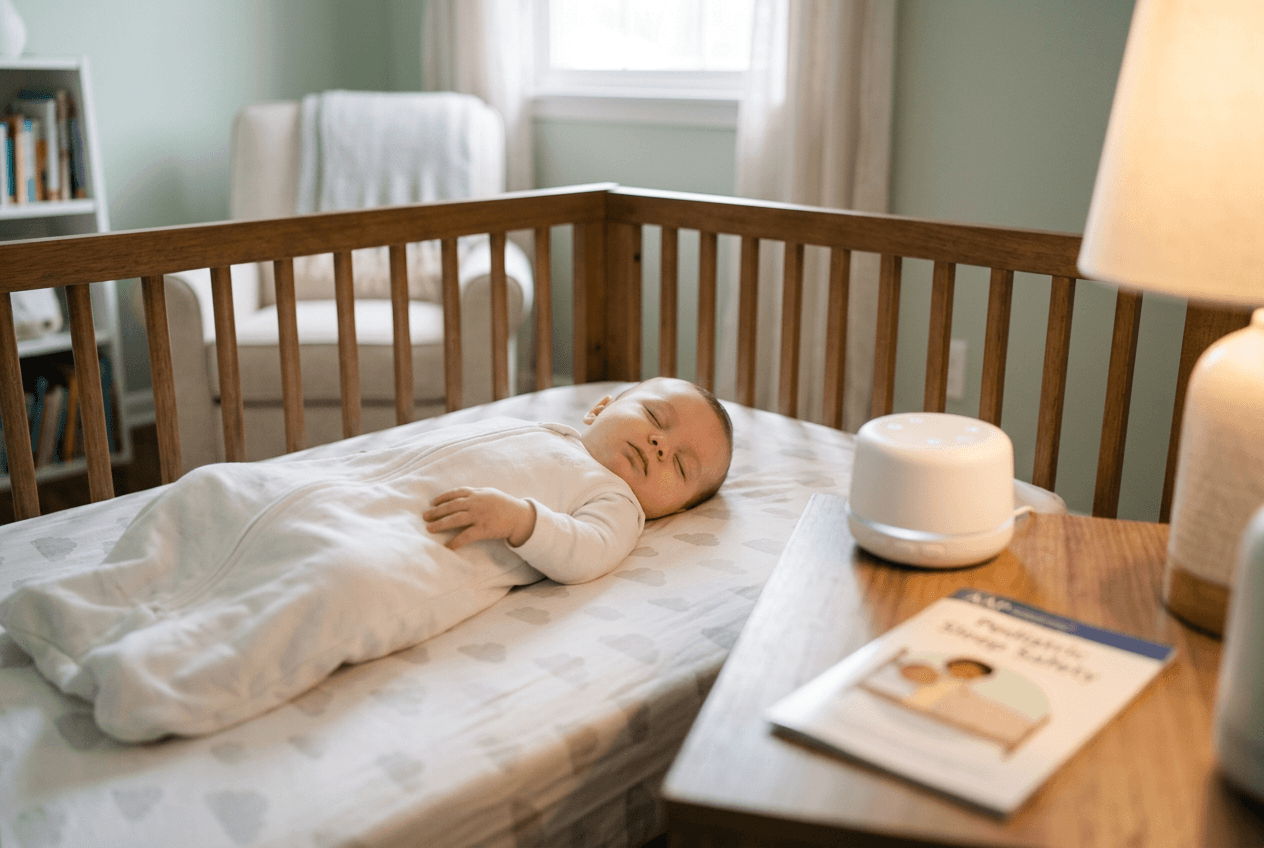
Music genuinely helps calm distressed infants. Lullabies exist across virtually every human culture because they work — our piece on the science of why lullabies work explains the full neuroscience behind this. Slow tempos, gentle melodies, and rhythmic patterns help regulate infant arousal levels. Studies in neonatal intensive care units show that music can reduce stress indicators in premature babies. These effects don't require Mozart specifically. Any calm, melodic music serves this purpose, and a parent's voice often works better than any recording. Whatever you choose, volume safety matters — see our guide to AAP guidelines for baby sleep music volume.
Language Acquisition and Pattern Recognition
Babies exposed to music show some advantages in detecting patterns and processing speech sounds. Musical rhythm shares structural features with language rhythm. Infants who engage with music may develop slightly better phonetic discrimination. However, these benefits appear strongest when music involves social interaction rather than passive listening. A parent singing directly to a baby provides both musical exposure and the social engagement that drives language development.
Active Engagement vs. Passive Listening
The distinction between background music and interactive musical experiences matters enormously. This is where the original Mozart effect marketing went most wrong.
Why Interactive Play Beats Background Music
Babies don't learn optimally from passive exposure to anything, whether television, recorded music, or adult conversations happening around them. Learning requires engagement, attention, and social feedback. When a parent sings to a baby and the baby responds, neural connections strengthen. When music plays in the background while a baby sits alone, minimal learning occurs. Studies consistently show that interactive experiences produce stronger developmental outcomes than passive ones across every domain researchers have examined.
The Importance of Parental Interaction
The most beneficial thing about musical activities with babies isn't the music itself. It's the face-to-face interaction, the emotional attunement, the back-and-forth exchange. When parents sing, bounce, clap, and dance with their babies, they're building attachment security, teaching turn-taking, and modeling emotional expression. These benefits would exist whether the song was Mozart, a nursery rhyme, or a pop tune the parent enjoys. The relationship matters more than the playlist.
Practical Ways to Incorporate Music into a Baby's Life
Given what research actually supports, how should parents approach music with their infants? The goal shifts from "boost IQ" to "enrich daily life and strengthen connection."
Sing to your baby regularly, even if you think you have a terrible voice. Babies don't care about pitch accuracy. They respond to familiar voices, emotional expression, and the attention singing provides. Make up songs about diaper changes, bath time, or whatever you're doing together.
Play various musical styles throughout the day. Expose babies to different rhythms, instruments, and cultural traditions. This isn't about optimization. It's about creating a rich auditory environment that reflects human musical diversity.
Dance and move with your baby. Hold them and sway, bounce gently to rhythms, or let older babies "dance" while you support them. Physical movement combined with music creates multi-sensory experiences.
Use simple instruments like shakers, drums, or bells during playtime. Let babies explore making sounds themselves. This active engagement produces more learning than any amount of passive listening.
What Actually Matters for Baby Brain Development
The Mozart effect for babies represents a cautionary tale about scientific findings meeting commercial interests and parental hopes. The original research was legitimate but limited. The marketing that followed was not. Parents who played Mozart hoping to raise geniuses weren't harming their children, but they weren't providing the specific benefit they imagined either.
What genuinely supports infant brain development is less glamorous than a magic CD: responsive caregiving, rich language exposure, varied sensory experiences, and secure attachment relationships. Music can be part of this picture, not as a cognitive enhancement tool but as one more way to connect, soothe, play, and share joy with your baby. For age-specific guidance as your child grows, our article on best toddler sleep music for 1–3 year olds covers what works at each stage. That's less marketable than "Mozart makes babies smarter," but it has the advantage of being true.