Why Classical Music Helps You Sleep and What to Play

7 min read
The bedroom is dark, the day's stress still buzzing through your mind, and sleep feels impossibly far away. You've tried counting sheep, breathing exercises, even that lavender pillow spray your sister swore by. But there's one tool that's been helping humans drift off for centuries, and modern science is finally catching up to explain why it works so well. Classical music for sleep isn't just a pleasant idea: it's a physiologically effective intervention that can transform your nights.
What makes certain compositions so effective at coaxing your brain toward rest? The answer lies in a fascinating intersection of neuroscience, cardiac physiology, and musical structure. Understanding why classical music works for sleep, and knowing exactly what to listen to, can turn your bedtime routine from a nightly struggle into something you actually look forward to. Much of the effect comes down to tempo — if you want to understand the underlying mechanism, our guide to the 60–80 BPM rule for sleep music explains the science in detail.
The Science Behind Music and Sleep Quality
Your brain doesn't simply switch off when you decide it's bedtime. It needs to transition through distinct phases, shifting from alert beta waves to the slower alpha and theta waves that precede deep sleep. Classical music acts as a guide for this transition, providing external cues that help synchronize your neural activity with patterns conducive to rest.
Lowering Cortisol and Reducing Stress
Cortisol, your body's primary stress hormone, should naturally decline in the evening hours. But modern life often keeps levels elevated well past sunset. Studies from the University of Gothenburg found that participants who listened to relaxing music before bed showed measurably lower cortisol levels compared to those who lay in silence. The melodic patterns in classical compositions activate the parasympathetic nervous system, triggering what researchers call the relaxation response. Your muscles loosen, your breathing deepens, and that mental chatter finally starts to quiet.
Regulating the Autonomic Nervous System
The autonomic nervous system controls functions you don't consciously manage: heart rate, digestion, respiratory rate. When you're stressed, the sympathetic branch dominates, keeping you in fight-or-flight mode. Classical music shifts the balance toward parasympathetic dominance. Research published in the Journal of Advanced Nursing demonstrated that adults who listened to 45 minutes of relaxing music before bed fell asleep faster and reported better sleep quality over a three-week period.
The Role of Rhythm in Heart Rate Deceleration
Here's something remarkable: your heart rate naturally wants to synchronize with external rhythms. This phenomenon, called entrainment, means that music with a tempo around 60-80 beats per minute can actually slow your pulse. As your heart rate decreases, your body interprets this as a signal that it's safe to rest. The effect is subtle but measurable, with studies showing heart rate reductions of 5-10 beats per minute during appropriate musical listening.
Key Characteristics of Sleep-Inducing Classical Music
Not all classical music promotes sleep. A Beethoven symphony's triumphant finale or Stravinsky's jarring rhythms will likely have the opposite effect. Knowing what sonic qualities to seek makes all the difference.
The Importance of a Steady Tempo
The ideal tempo range for sleep music falls between 60 and 80 BPM, roughly matching a resting heart rate. Pieces in this range give your cardiovascular system something predictable to lock onto. Baroque compositions excel here because many were written to accompany meditation, prayer, or quiet contemplation. The steady pulse provides a sonic anchor, preventing the kind of mental wandering that keeps you awake.
Avoiding Dynamic Extremes and Sharp Transitions
Volume matters more than you might think. Pieces with dramatic crescendos or sudden fortissimo passages will jolt your nervous system back to alertness. Look for compositions with minimal dynamic range, where the loudest moments are only slightly more intense than the quietest. Similarly, avoid pieces with abrupt key changes or unexpected harmonic shifts. Your sleeping brain prefers predictability.
Essential Composers and Pieces for Bedtime
Certain composers seem almost purpose-built for nighttime listening. Their works share common threads of gentle tempos, consonant harmonies, and flowing melodic lines.
Baroque Masterpieces: Bach and Vivaldi
Bach's Goldberg Variations were literally commissioned to help an insomniac count sleep. The aria and its 30 variations create a meditative soundscape that's been lulling listeners for nearly 300 years. His Cello Suites, particularly the slower sarabande movements, offer similar benefits with the added warmth of a single stringed instrument.
Vivaldi's lute concertos provide another excellent option. Less famous than his violin works, these pieces feature the gentle plucking of strings rather than sustained bowing, creating a more intimate, bedroom-appropriate atmosphere. Try the Concerto in D major, RV 93, for a particularly soothing experience.
Romantic Era Serenity: Chopin and Debussy
Chopin's Nocturnes remain the gold standard for nighttime piano music. Written specifically to evoke the night, these pieces unfold slowly, with singing melodies that float over gentle left-hand accompaniment. The Nocturne in E-flat major, Op. 9, No. 2 has probably helped more people fall asleep than any pharmaceutical. For a deeper look at why the piano specifically is so effective for sleep, see our article on the science behind piano music for sleep.
Debussy's Impressionist works create dreamlike soundscapes perfect for the transition to sleep. "Clair de Lune" is the obvious choice, but explore his "Rêverie" and the slower passages from "Suite Bergamasque" for equally effective alternatives. The harmonic ambiguity in his writing mimics the fuzzy logic of pre-sleep consciousness.
Modern Minimalist Classics
Contemporary composers offer excellent options if you find Romantic-era pieces too emotionally charged. Max Richter's "Sleep" was specifically composed as an eight-hour accompaniment to a full night's rest, created in consultation with neuroscientist David Eagleman. The work is designed to be heard while sleeping, with frequencies and patterns chosen to support different sleep stages.
Arvo Pärt's "Spiegel im Spiegel" uses just two instruments playing simple, repetitive figures that create a profound sense of stillness. Philip Glass's slower works, particularly from his "Glassworks" album, offer another minimalist pathway to rest.
Creating the Ultimate Sleep Playlist
Building an effective sleep playlist requires more thought than simply queuing up random classical pieces. Start with slightly more engaging works and gradually transition to simpler, quieter compositions. A 30-45 minute playlist works well for most people, giving enough time to drift off without the music becoming a distraction.
Consider this structure: begin with a Chopin Nocturne or Debussy piece that captures your attention gently. Follow with a Bach cello suite movement to deepen relaxation. Close with minimalist works or solo piano pieces that fade into near-silence. Test your playlist over several nights and adjust based on which pieces you remember hearing versus which ones you sleep through.
Optimizing Your Listening Environment
The right music played through poor equipment or at wrong volumes can undermine all its potential benefits.
Volume Levels and Sound Quality
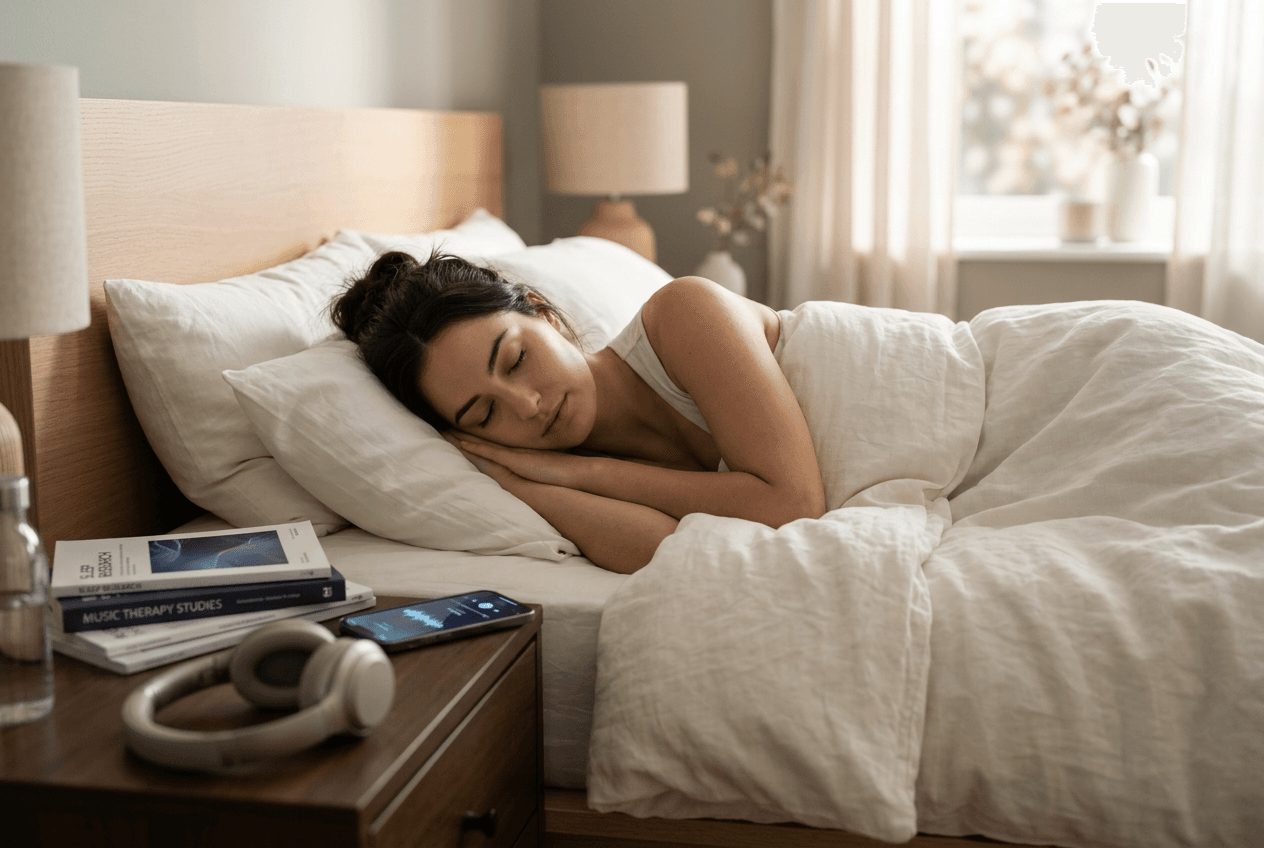
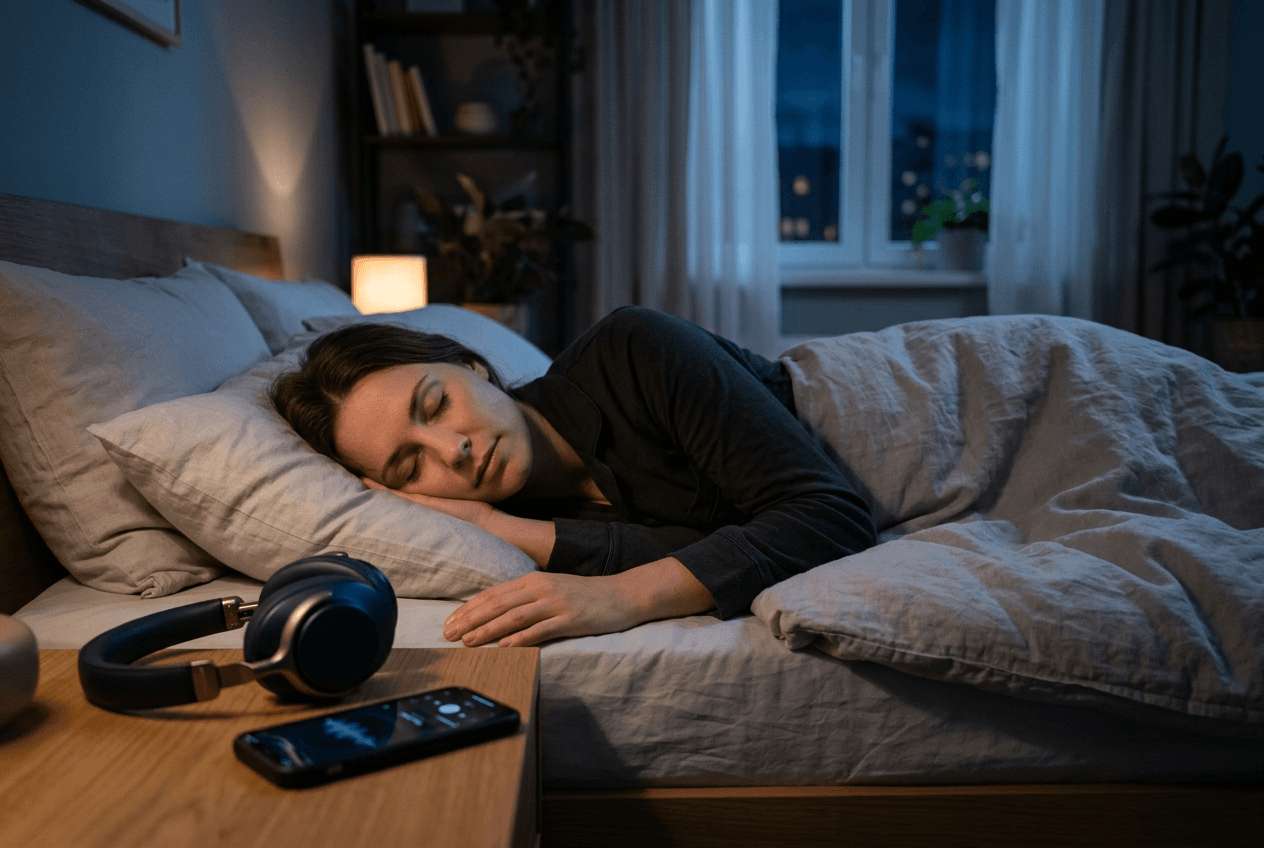
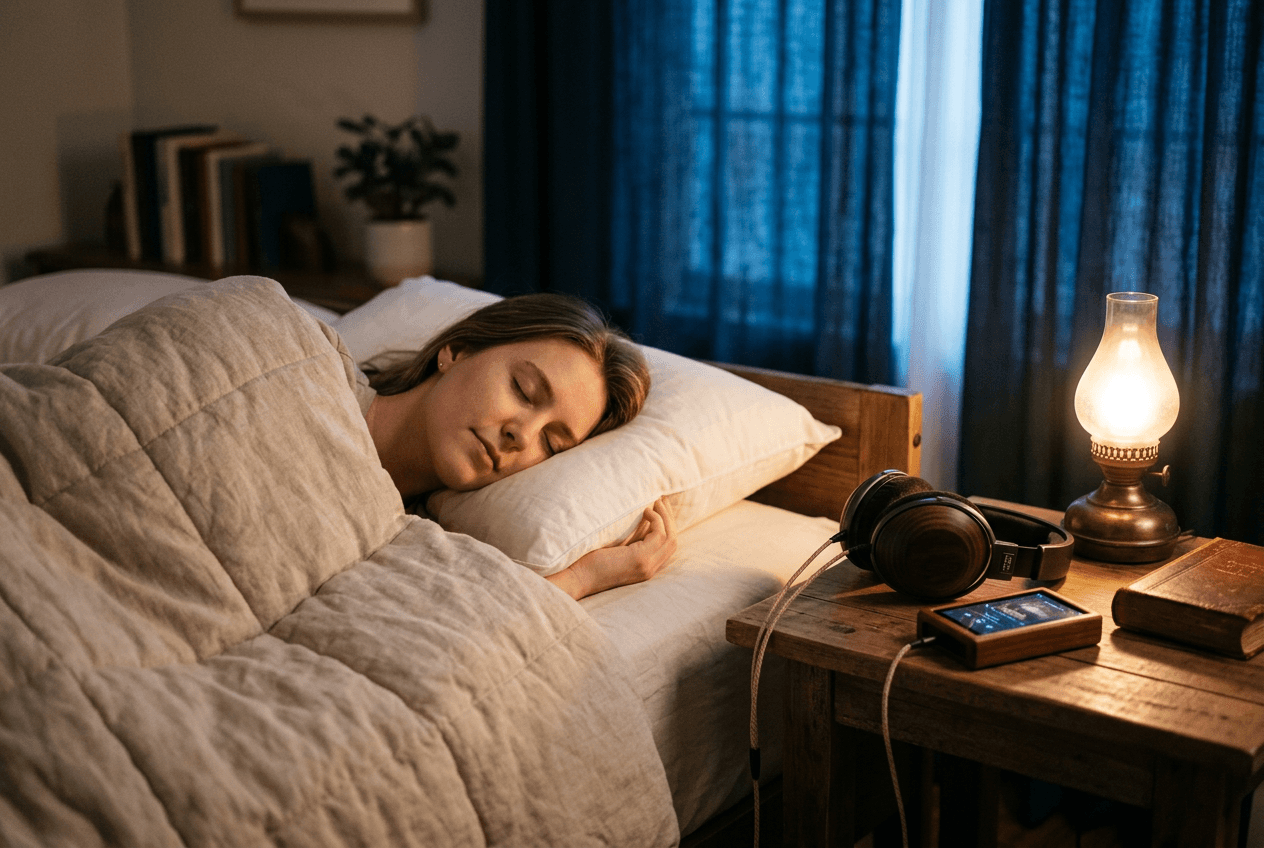
Keep volume low enough that you could comfortably hold a whispered conversation over it. If the music demands your attention, it's too loud. Aim for background presence rather than active listening. Regarding equipment, prioritize comfort over audio quality. Pillow speakers or sleep headphones designed for side sleepers work better than earbuds that press painfully into your ears. Some people find external speakers preferable, letting the music fill the room rather than pipe directly into their heads.
Using Sleep Timers to Prevent Sleep Cycle Interruption
Music that plays all night can actually fragment your sleep. Your brain continues processing auditory input even while you're unconscious, and the presence of sound can prevent you from reaching the deepest sleep stages. Set a timer for 30-60 minutes, enough time to fall asleep but short enough that the music stops before your first REM cycle. Most streaming services and smart speakers offer built-in sleep timer functions.
Long-Term Benefits of a Musical Bedtime Routine
The real power of classical music for sleep emerges over time. Your brain learns to associate those specific sounds with rest, creating a conditioned response that makes falling asleep progressively easier. After a few weeks of consistent practice, simply pressing play can trigger the relaxation cascade that once required the full musical journey.
Beyond sleep onset, regular listeners report improvements in overall sleep architecture, spending more time in restorative deep sleep phases. Some research suggests benefits extend into waking hours, with better mood regulation and improved cognitive performance linked to higher-quality sleep.
Start tonight with a single piece that resonates with you. Give it a week of consistent use before judging effectiveness. Your brain needs time to learn this new sleep cue. Once established, you'll have a drug-free, side-effect-free tool for better rest that costs nothing and works anywhere you have headphones and a playlist. For a broader overview of what the research says about sleep music in general, our guide on what 50+ studies reveal about sleep music is a good next read.